
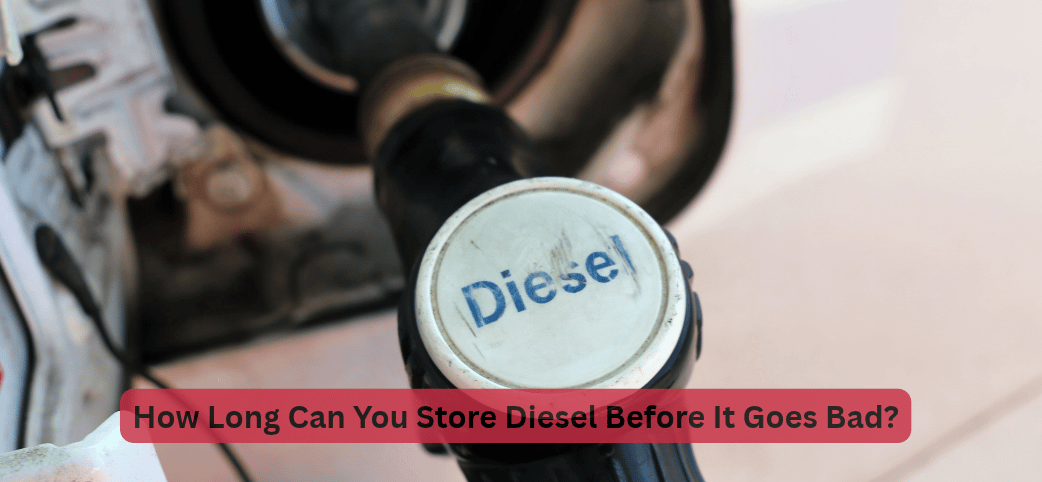
Diesel commonly has a storage life of around six to twelve months, but this is a guide rather than a guaranteed expiry period. Heat, water, contamination, fuel composition and tank condition can shorten its usable life. Well-managed storage may allow longer periods, provided testing confirms that the fuel remains suitable.
For customers using backup generators, farm equipment or commercial fleets, our advice is to focus on storage conditions and stock management rather than the delivery date alone. Fuel can become contaminated well before it reaches six months, while older diesel should not automatically be condemned without assessment.
The important question is not simply, “How old is this diesel?” It is, “Has it been stored correctly, and is it still fit for the equipment that will use it?” Are you looking for the best Diesel 50 PPM Price?
Why Does Diesel Deteriorate in Storage?
Oxidation Can Create Deposits
Diesel can change chemically during storage. Oxidation may produce gums and sediment that affect fuel quality and contribute to blocked filters.
Heat can accelerate these changes. An exposed tank experiencing high temperatures may require closer monitoring than a properly managed installation in cooler conditions.
Fuel composition also matters. Biodiesel content, additives and the original product specification can influence storage stability. Ask your supplier for guidance on the particular fuel being delivered.
Water Creates Additional Problems
Water can enter through damaged caps, faulty seals, unsuitable vents or contaminated deliveries. Moisture can also accumulate as tanks breathe through temperature changes.
Free water collects beneath diesel and may contribute to corrosion and microbial growth. Removing the source of water is therefore as important as dealing with water already present.
A tank that looks sound from the outside can still contain water at the bottom. External appearance alone cannot establish the condition of stored fuel.
Microbial Growth Can Block Filters
“Diesel bug” is a common term for microbial contamination involving bacteria, fungi and other microorganisms. Growth is associated with water in fuel systems and can produce sludge, deposits and corrosion.
The resulting material may block filters and interrupt fuel flow. A generator can have plenty of diesel in its tank yet stop because that fuel cannot pass through a contaminated filter.
Which Storage Conditions Matter Most?
Temperature and Exposure
Protect storage installations from unnecessary heat where practical. Ask a qualified specialist about suitable siting, shading or coatings for your particular tank.
Do not make changes that obstruct ventilation, access or fire protection. A storage tank needs to function as designed, even when the aim is to reduce heat exposure.
Tank Condition and Compatible Materials
Use tanks, pipes, seals and fittings approved for the fuel being stored. Corrosion, deteriorating components and unsuitable materials can introduce contamination.
Inspect accessible areas for leaks, damaged fittings and signs of water entry. Repairs and changes to the installation should be handled by competent personnel.
Safe Filling Levels
Reducing unnecessary empty space may help limit moisture exchange, but a tank must retain the expansion space required by its design.
Do not apply a blanket instruction to fill every tank to 90% or 95%. Follow the tank manufacturer’s permitted filling level, overfill controls and site procedures.
Similarly, do not seal a vented tank airtight. Vents must remain suitable and functional so the tank can operate safely.
How Quickly You Use the Stock
A busy fleet depot may replace its stock frequently. A standby generator installation can hold much of the same fuel for months.
Record delivery dates and quantities so you understand the age of the stock. Where separate tanks or batches allow it, use older suitable fuel first.
If new deliveries mix with existing fuel, keep records of the remaining older stock. A recent top-up does not mean the entire tank now contains fresh diesel.
What Are the Warning Signs of a Fuel Problem?
Arrange an assessment if you notice:
- Visible water or separate layers in a properly collected sample.
- Sludge, sediment, flakes or unusual deposits.
- Persistent cloudiness under normal operating temperatures.
- An unexplained change in fuel appearance.
- Repeated or unusually rapid filter blockage.
- Fuel-system corrosion or recurring water-separator warnings.
- Engine problems that may be associated with the fuel supply.
These are reasons to investigate, not a complete diagnosis. Colour alone does not prove that diesel has gone bad. Cloudiness can have several causes, including low-temperature wax formation.
Smell is also not a reliable test for microbial contamination. Do not deliberately inhale fuel vapours to assess a sample.
Engine Symptoms Do Not Prove Fuel Contamination
Loss of power, rough running, smoke and difficult starting can arise from several mechanical or electrical faults.
If fuel quality is suspected, stop drawing from the affected tank where this can be done safely and arrange investigation. For a critical facility, follow the site’s contingency plan rather than disconnecting an essential fuel supply without an alternative.
Can You Tell Whether Diesel Is Safe by Looking at It?
A visual inspection can identify obvious contamination, but clear-looking fuel is not automatically suitable for use.
Some quality problems require laboratory analysis. Depending on the concern, a specialist may recommend testing for water, microbial contamination, sediment, stability or other properties relevant to the equipment’s fuel specification.
Sampling technique matters. A sample taken near the surface may miss water and sludge at the bottom. Equally, a bottom sample alone may not represent the overall fuel condition.
Ask a competent specialist to select suitable sampling points and tests, particularly after an incident or when the fuel supports critical equipment.
What Should You Do if Stored Diesel Appears Contaminated?
Isolate the Suspected Supply and Preserve Records
Prevent further use of suspect fuel under your site’s approved procedures. Record the tank identification, delivery history, symptoms and any recent maintenance.
If a supplier dispute is possible, preserve appropriately collected samples and delivery documents. Avoid adding chemicals or mixing in fresh fuel before the investigation, as this can change the evidence.
Have the Fuel and Tank Assessed
A qualified specialist can determine whether the problem involves free water, microbial growth, sediment, chemical degradation or another contaminant.
The solution depends on that diagnosis. It may involve water removal, filtration, tank cleaning, appropriate treatment or professional disposal of unusable fuel.
Do not enter a tank or improvise fuel transfer using household equipment. Tank entry, chemical handling and contaminated-fuel removal require suitable controls.
Confirm Suitability Before Returning to Service
After remediation, confirm that the fuel meets the requirements for its intended use. Replace affected filters and address the original source of contamination.
Without correcting water ingress or poor handling, the same problem may return even after an expensive clean-up.
Can Fuel Polishing Restore Old Diesel?
Fuel polishing can remove certain contaminants, including water and particles, depending on the equipment and process used. It may be useful where the underlying fuel remains suitable.
However, filtration does not reverse every form of deterioration. It cannot automatically restore oxidised fuel, correct an unsuitable composition or guarantee compliance with an engine’s fuel specification.
Have the fuel assessed before commissioning polishing, then confirm the outcome through appropriate checks. Clearer fuel is not, by itself, proof that the treatment has resolved every problem.


Should You Add a Stabiliser or Biocide?
Stabilisers Have a Specific Role
A suitable storage stabiliser may help slow certain deterioration processes when used correctly. It does not remove water or reliably restore fuel that has already degraded.
Check compatibility with the fuel and equipment, follow the product instructions and obtain advice from the supplier or manufacturer before treatment.
Biocides Are Not General Storage Additives
A biocide targets microbial contamination. It is different from a stabiliser and should not be added simply because fuel has been stored for several months.
Where treatment is appropriate, product selection, dosing, handling and follow-up need proper assessment. Dead microbial material can remain in the system and continue blocking filters.
Use a qualified specialist for significant contamination. Adding extra chemical beyond the recommended dose is not a substitute for water removal and tank maintenance.
An Illustrative Standby Generator Failure
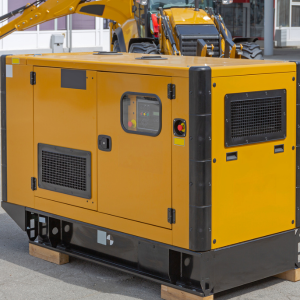
Consider a hypothetical office facility whose backup generator draws from a bulk tank containing diesel stored for approximately 14 months. This is an illustrative composite, not a documented Buy Diesel Direct customer case.
The generator has completed short routine tests, but nobody has checked the tank bottom or reviewed the fuel’s condition. During an extended outage, the generator stops and its fuel filters are found to be heavily contaminated.
Investigation identifies water and microbial deposits in the storage system. The facility needs specialist assessment, tank remediation and filter replacement before returning the system to service.
The lesson is that a generator starting during a brief test does not prove its stored fuel is suitable for a prolonged operating period. Equipment testing and fuel-condition monitoring serve different purposes.
Read our latest blog: Can I Get Diesel Delivered Directly to My Generator?
What Checks Should Form Part of Your Maintenance Plan?
Routine Checks by Trained Site Personnel
Under approved site procedures, trained staff can:
- Record fuel levels, delivery quantities and stock age.
- Inspect accessible tank surfaces, caps and fittings for damage.
- Look for leaks and possible water-entry points.
- Check water-separator indicators where fitted.
- Monitor filter restriction indicators according to equipment instructions.
- Record changes in fuel consumption and equipment performance.
Sampling, dipping and draining should only be undertaken by personnel trained and equipped for those tasks. Do not use improvised containers or open fittings without an approved procedure.
Specialist Inspection and Testing
Agree a testing schedule based on storage conditions, stock age, fuel composition and the consequences of equipment failure.
Annual testing may form part of a maintenance plan, but some sites need more frequent checks. Suspected water entry, unusual deposits or repeated filter blockages should prompt investigation without waiting for the next scheduled test.
Critical standby systems may require closer monitoring than a depot with rapid stock turnover.
How Much Diesel Should You Order for an Occasional-Use Generator?
Balance the reserve needed for an outage against the amount you are likely to use and can properly maintain.
Start with:
- The generator’s consumption under realistic electrical loads.
- The emergency runtime your site needs to support.
- Fuel used during scheduled testing.
- Normal replenishment lead times.
- The tank’s usable capacity and safe filling limit.
- Your maintenance and fuel-testing arrangements.
There is no universal rule that every site must consume all its diesel within exactly twelve months. Critical facilities may need a substantial reserve, supported by a suitable fuel-management programme.
Equally, buying a large quantity solely for a lower price can create unnecessary stockholding if demand is low.
Fresh Deliveries Do Not Reset Fuel Age
Adding fresh diesel to old stock does not reverse degradation, remove contamination or reset the storage life of the mixture.
Arrange deliveries around actual consumption and required reserves. If the existing stock is suspect, have it assessed before topping up.
How Buy Diesel Direct Can Help With Replenishment
Buy Diesel Direct markets 50ppm diesel supply, scheduled deliveries and emergency assistance, with a strong focus on Gauteng.
Discuss your consumption, storage capacity and replenishment needs with the team. Confirm the fuel specification, minimum order, delivery availability and any recurring supply arrangements directly.
Fuel delivery should be distinguished from storage maintenance. Do not assume that laboratory testing, biocide treatment, polishing, tank cleaning or automated tank monitoring is included unless specifically agreed.
Your site still needs an appropriate plan for tank condition, water management, stock records and safe dispensing.
Plan Storage Around Fuel Condition and Operational Needs
Use six to twelve months as a general planning guide, not a promise that diesel will remain usable for that period. Storage conditions and testing provide a better basis for decisions than age alone.
For supply planning, contact Buy Diesel Direct on 062 551 5386 or 079 891 8188, or email info@buydieseldirect.co.za. Share your location, expected consumption and storage details so the team can discuss suitable delivery arrangements.