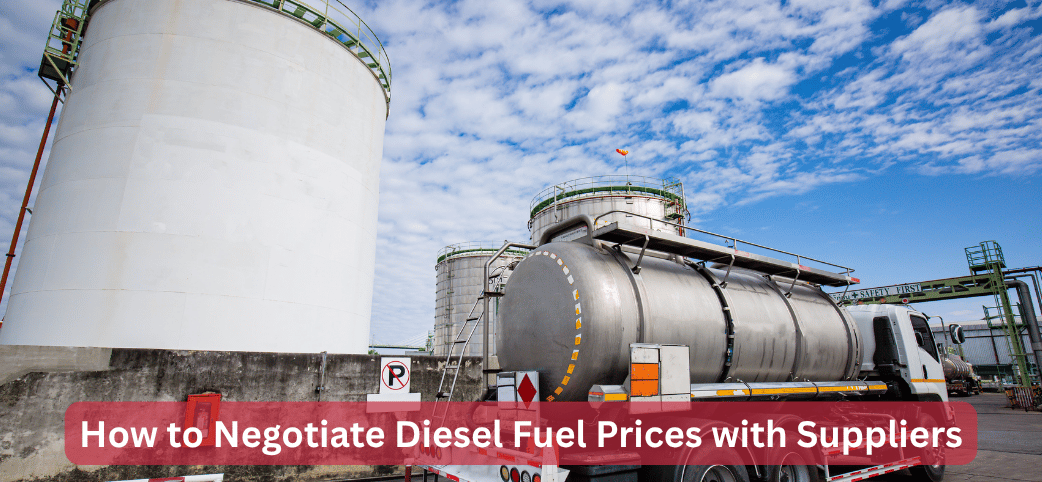
Most businesses think negotiating diesel prices is about getting the lowest price per litre.
After years of working in the bulk diesel industry, I can confidently tell you that’s one of the biggest mistakes procurement managers make.
Diesel isn’t office stationery. Looking for the best quality diesel from Buy Diesel Direct
It isn’t a commodity where suppliers have massive profit margins waiting to be negotiated away.
The wholesale fuel industry operates on incredibly tight margins, expensive logistics, and constantly changing market conditions. If you negotiate purely on price, you often end up with the worst overall deal. Are you looking for 50 PPM Diesel?
The customers who consistently achieve the best fuel pricing aren’t necessarily the toughest negotiators.
They’re the ones who understand how fuel suppliers actually make money.
Here’s what I’ve learned.
The Biggest Mistakes Customers Make Before Negotiations Even Begin
Most buyers lose the negotiation before they even sit down at the table.
Thinking Volume Automatically Creates Leverage
One of the most common statements I hear is:
“We buy 50,000 litres every month, so we deserve a better price.”
To most wholesale suppliers, that isn’t an extraordinary volume.
One or two tanker loads every month simply doesn’t create the negotiating power many buyers imagine.
Threatening to Move to Another Supplier
Many procurement managers believe constantly threatening to leave forces suppliers to lower their prices.
In reality, wholesale diesel margins are already extremely thin.
If a customer is difficult to service and only interested in squeezing every last cent out of the contract, many suppliers are perfectly happy to let someone else take the business.
Read Our Latest Blog: Diesel Fuel Quality: What Actually Matters?
Trying to Lock in Fixed Prices
Diesel is a globally traded commodity.
Its price changes constantly.
When customers insist on unrealistic long-term fixed pricing, suppliers simply build additional risk into their margins.
The customer often ends up paying more rather than less.
The Procurement Mistakes That Cost Businesses Thousands
Only Comparing Price Per Litre
This is probably the biggest mistake I see.
A supplier may offer the cheapest diesel price while quietly recovering their profits through:
- Delivery surcharges.
- Environmental levies.
- Minimum order penalties.
- Demurrage charges.
- Emergency delivery fees.
The cheapest quote on paper can easily become the most expensive contract.
Ordering at the Last Minute
If you phone a supplier late on Friday afternoon demanding 20,000 litres for Saturday morning, you’ve already lost your negotiating position.
You’ve created an emergency.
Emergencies cost money.
Ignoring Your Own Infrastructure
Many procurement teams spend weeks analysing suppliers while never inspecting their own fuel facilities.
Slow intake pumps, poor yard layouts and restricted vehicle access all increase delivery costs.
The supplier simply builds those extra costs into your price.
What Actually Makes Suppliers Lower Their Prices?
Here’s something many buyers never realise.
Suppliers don’t reduce prices because someone negotiates aggressively.
They reduce prices because you’ve lowered their operating costs.
Take Full Truckloads
A supplier loves customers who consistently receive full truckload deliveries.
Splitting loads between multiple customers increases transport costs dramatically.
If your site can accept an entire tanker load in one visit, you’ve already created genuine negotiating power.
Become Predictable
A supplier would much rather deliver:
Every Tuesday.
At 6:00 AM.
Every single week.
Than respond to random emergency orders.
Predictability allows suppliers to optimise routes, improve truck utilisation and reduce costs.
Those savings often become your discount.
Pay Faster
The wholesale fuel business depends heavily on cash flow.
If you’re prepared to pay sooner than standard credit terms, suppliers may be willing to reduce their margins slightly because you’ve lowered their financial risk.
Negotiate More Than Just Price
Many buyers focus on the wrong part of the contract.
Instead of only discussing price per litre, negotiate:
- Payment terms.
- Delivery windows.
- Emergency response times.
- Demurrage periods.
- Priority supply during shortages.
- Run-out protection.
- Service level agreements.
These items often become far more valuable than saving a few cents per litre.
Three Negotiations I’ll Never Forget
The Procurement Manager Who Negotiated Himself Into a Crisis
A logistics company running approximately 80 trucks wanted one thing.
The absolute lowest diesel price.
The procurement manager forced suppliers through multiple rounds of reverse bidding until one supplier finally agreed to an extremely low margin.
On paper it looked like a fantastic deal.
Six months later refinery supply tightened.
The supplier, now making almost no profit on the contract, prioritised higher-margin customers.
Deliveries became unreliable.
The company’s own slow offloading equipment also resulted in expensive demurrage charges that nobody had negotiated.
Eventually they were forced to buy emergency retail diesel simply to keep their fleet operating.
The Lesson
A supplier making no money from your contract has very little incentive to prioritise your business during difficult market conditions.
The Construction Company That Negotiated Operational Efficiency Instead of Price
A civil engineering contractor needed around 150,000 litres every month for a major infrastructure project.
Instead of demanding discounts, they invited the supplier’s logistics manager to help design the fuel depot before construction started.
Together they created:
- High-flow intake systems.
- Drive-through tanker access.
- No reversing.
- Twenty-four-hour site access.
- Off-peak deliveries.
The supplier’s operating costs dropped dramatically.
The customer received a permanent logistics discount that competitors simply couldn’t match.
The supplier even installed remote fuel monitoring equipment at no additional cost.
The Lesson
Making life easier for your supplier often produces bigger savings than aggressive price negotiations.
The Contract That Looked Perfect Until Fuel Prices Exploded
A mining contractor negotiated what appeared to be an excellent pricing formula.
The problem wasn’t their diesel contract.
It was their customer contract.
When international oil prices surged, their fuel supplier correctly adjusted pricing in line with the agreed index.
Unfortunately, the mining contractor had no mechanism to recover those higher fuel costs from their own client.
Every operating hour generated a financial loss.
Eventually they had to terminate the project.
The Lesson
Your fuel buying strategy must align with your revenue model.
The Biggest Myths About Negotiating Diesel Prices
Myth 1: More Suppliers Always Means Better Prices
Most wholesale suppliers buy fuel from the same refinery network.
Flooding the market with a massive tender often discourages the strongest suppliers from participating.
Instead, shortlist two or three reputable suppliers who genuinely have the ability to service your business long term.
Myth 2: Negotiate Hardest When Prices Are Rising
During fuel spikes, suppliers are already under enormous financial pressure.
That isn’t the time to demand major discounts.
Negotiate your long-term commercial structure while markets are stable.
Myth 3: Paying Cash Guarantees Huge Discounts
Cash helps.
Predictability helps even more.
A customer paying upfront on a scheduled full truckload every month is far more valuable than someone paying cash for unpredictable emergency orders.
Myth 4: Fixed Margins for Five Years Protect Everyone
Transport costs, insurance, labour and maintenance all increase over time.
If your contract slowly destroys your supplier’s profitability, service quality eventually suffers.
Healthy partnerships outperform unrealistic contracts.
My Personal Negotiation Playbook
If I were negotiating a diesel supply agreement tomorrow, this is exactly how I’d approach it.
Step 1: Research Everything Before the Meeting
- Know the regulated pricing structure.
- Understand your transport zone.
- Inspect your own fuel infrastructure.
- Know your tank flow rates.
- Map supplier depot locations.
Information reduces negotiation risk.
Step 2: Keep Your Leverage Private
I never reveal:
- Exactly how close I operate to running out of fuel.
- The lowest competitor’s quotation.
The less suppliers know about your pressure points, the stronger your negotiating position.
Step 3: Ask Operational Questions First
Before discussing money, I want answers to questions like:
- How are deliveries prioritised during shortages?
- What are your preferred delivery windows?
- How do you manage refinery allocations?
- What payment terms do you receive from your suppliers?
The answers tell me far more than any sales presentation.
Step 4: Negotiate in the Right Order
- Service levels.
- Delivery performance.
- Pricing formula.
- Payment terms.
- Operational rebates.
Price always comes after operational performance.
Step 5: Make Smart Concessions
I’m happy to offer:
- Twenty-four-hour access.
- Midnight deliveries.
- Guaranteed full truckloads.
- Remote tank monitoring.
- Predictable ordering schedules.
These cost me very little but save suppliers significant money.
Step 6: Know When to Walk Away
I immediately end negotiations if:
- Hidden charges appear in the contract.
- The supplier refuses fair exit clauses.
- They cannot prove guaranteed fuel allocations.
- Pricing lacks transparency.
The One Lesson Every Procurement Manager Should Remember
If I could give every procurement manager just one piece of advice, it would be this.
Stop buying fuel and start buying space in your supplier’s logistics schedule.
The diesel itself is largely the same commodity for everyone.
The real costs lie in moving that fuel from the depot to your storage tank.
Every supplier is constantly calculating one thing.
How much does this delivery cost us?
If your site creates delays, traffic, small deliveries, unpredictable orders and difficult access, they’ll simply recover those costs through your pricing.
But if you provide:
- Full truckload deliveries.
- Off-peak access.
- Fast offloading.
- Reliable scheduling.
- Predictable ordering.
You become one of the easiest customers on their route.
When you lower a supplier’s logistics costs, you naturally lower your own diesel costs.
Everything else in the negotiation is simply supporting detail.