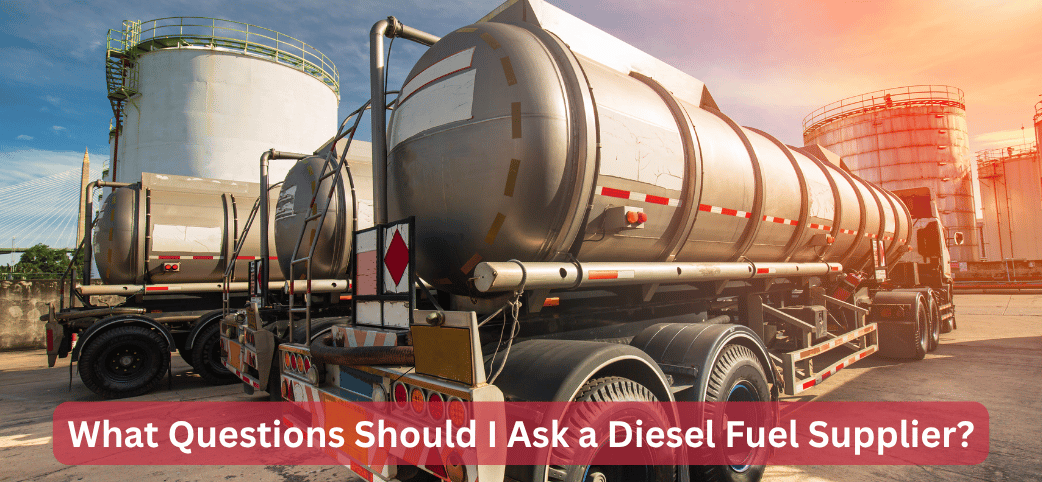
Most businesses spend more time comparing diesel prices than they do comparing diesel suppliers.
In my experience, that’s backwards.
I’ve seen transport companies destroy fleets by chasing the cheapest quote. I’ve watched hospitals nearly lose backup power because they trusted brokers that didn’t own a single delivery truck. I’ve stood next to bulk storage tanks where a simple water test prevented catastrophic engine damage.
After years in the bulk diesel industry, one lesson has become crystal clear. If you are looking for a reliable diesel supplier in Centurion look no further than Buy Diesel Direct
The supplier you choose is often more important than the price you pay.
If you’re sourcing bulk diesel for your business, these are the questions I believe every customer should ask before signing a supply agreement.
1. Can You Provide Your DMRE Wholesale License and a Current SANS 342 Certificate of Analysis?
This is always my first question.
If a supplier cannot immediately prove they are legally licensed and that their diesel complies with SANS 342 standards, I don’t continue the conversation.
Why This Matters
This question immediately separates legitimate wholesalers from illegal traders and backyard blending operations.
Every professional supplier should be able to provide:
- A valid DMRE wholesale licence.
- A recent Certificate of Analysis (CoA).
- Proof that the diesel meets SANS 342 specifications.
- Correct sulphur content for the product being supplied.
A Professional Answer Sounds Like This
“Certainly. Here’s our DMRE licence number along with the current batch Certificate of Analysis showing compliance with SANS 342. You’re welcome to review everything before delivery.”
A Massive Red Flag
“We buy from the major oil companies so there’s no need for certificates. Just trust us.”
Trust isn’t a quality control system.
Read Our Latest Blog Post: How to Negotiate Diesel Fuel Prices with Suppliers
2. What Testing and Filtration Procedures Do Your Tankers Follow Before Delivery?
Many buyers assume diesel leaves the refinery perfectly clean and stays that way until it reaches their tank.
It doesn’t.
The greatest contamination risk often begins after the fuel leaves the depot.
Why This Matters
Water, rust and microbial contamination can enter the supply chain through:
- Storage tanks.
- Loading equipment.
- Poorly maintained delivery tankers.
- Condensation during transport.
Professional suppliers actively test and filter fuel before every delivery.
A Professional Answer Sounds Like This
- Daily water-paste testing.
- Visual “clear and bright” inspections.
- Onboard water-blocking filtration.
- Final filtration during offloading.
A Red Flag
“The fuel was clean when we loaded it, so we don’t need to test or filter it again.”
That’s not quality control.
That’s hope.
3. Do You Own Your Fleet or Use Third-Party Contractors?
This question tells you far more about a supplier than most people realise.
Why This Matters
When suppliers own their trucks and employ their own drivers, they control the entire delivery process.
When everything is subcontracted, they lose that control.
During fuel shortages or national emergencies, subcontractors naturally prioritise their own direct clients.
A Professional Answer Sounds Like This
- Company-owned fleet.
- Permanent drivers.
- Dangerous Goods permits.
- GPS tracking.
- Fuel-level monitoring.
- Regular safety training.
A Red Flag
“We use a network of independent transport partners.”
That usually means they don’t actually control the delivery.
4. How Do You Handle Temperature Compensation?
Very few customers ask this question.
They absolutely should.
Why This Matters
Diesel expands when warm and contracts when cold.
If delivery meters aren’t temperature compensated, you may pay for fuel volume that changes simply because of temperature.
A Professional Answer Sounds Like This
“Our delivery vehicles use calibrated Automatic Temperature Compensation (ATC) systems corrected to the standard 15°C reference.”
A Red Flag
“A litre is a litre.”
It isn’t.
Temperature affects fuel volume every single day.
5. What Happens if Contaminated Fuel Damages My Equipment?
This question tests accountability.
Why This Matters
Professional suppliers already know exactly how they’ll investigate and resolve a contamination claim.
Unprofessional suppliers usually don’t.
A Professional Answer Sounds Like This
- Retention samples are taken during delivery.
- Independent laboratory testing is used.
- Clear investigation procedures exist.
- Public liability insurance covers contamination where appropriate.
A Red Flag
“Once the diesel goes into your tank, it’s your problem.”
That’s a supplier who doesn’t stand behind their own product.
Three Customers Who Asked the Wrong Questions
These stories have stayed with me because they all had the same ending.
Trying to save money cost them far more than they ever expected.
The “Cheap Diesel” That Cost Nearly Half a Million Rand
A transport company operating fifteen interlink trucks switched suppliers after receiving a quote almost R2.50 per litre below the competition.
Three weeks later, five modern Euro 5 trucks began losing power, blowing black smoke and breaking down.
Laboratory testing confirmed the diesel had been illegally blended with illuminating paraffin.
The repair bill exceeded R450,000.
Insurance refused the claim because contaminated fuel wasn’t covered.
The company returned to a licensed supplier providing SANS 342 compliance certificates with every delivery.
Lesson Learned
If the diesel price looks too good to be true, it probably is.
The Hospital That Was Ghosted During a Power Crisis
A private hospital signed with a broker promising guaranteed emergency deliveries.
During an extended power outage, the generators ran critically low.
The broker stopped answering the phone.
Why?
Because they didn’t own any trucks.
They relied entirely on subcontractors who prioritised their own customers.
Fortunately, an established supplier with company-owned vehicles rerouted one of their own tankers and restored the hospital’s emergency fuel supply.
Lesson Learned
Ask whether your supplier owns their delivery fleet.
When supply chains come under pressure, ownership matters.
The Delivery That Pumped Water Instead of Diesel
A manufacturing plant changed suppliers because of slightly faster turnaround times.
Unfortunately, the supplier had poor storage standards.
Water contamination from their depot entered the delivery tanker.
Several hundred litres of contaminated product entered the customer’s 50,000-litre storage tank.
The factory’s generators immediately failed.
Production stopped.
Fortunately, the plant had retained a sealed nozzle sample during delivery.
Independent laboratory testing proved the contamination came directly from the supplier.
The supplier’s insurer paid for the clean-up and repairs.
Lesson Learned
Always retain a physical sample from every bulk delivery.
The Biggest Sales Claims I Would Never Believe
I’ve heard just about every marketing pitch imaginable over the years.
These are the ones that immediately make me sceptical.
“Our Fuel Comes Directly From The Refinery So We Don’t Need To Test It”
Contamination often occurs after the refinery.
Professional suppliers still test every day.
“Our Premium Additives Increase Fuel Economy By 15%”
No legitimate additive magically creates double-digit fuel savings under normal operating conditions.
Good additives maintain performance.
They don’t rewrite physics.
“We Operate Under Someone Else’s DMRE Licence”
No legitimate wholesaler should need to explain away missing licences with industry jargon.
Either they’re licensed or they aren’t.
“We Have A Fleet Of More Than 50 Trucks”
Many brokers count subcontractors as their own fleet.
Ask how many trucks they actually own.
“Our Digital Meter Is More Accurate Without Temperature Compensation”
Professional suppliers don’t remove temperature compensation.
They invest in it.
My Personal Checklist Before Choosing Any Diesel Supplier
If I had to choose a supplier for my own business tomorrow, this is exactly what I’d check.
Documents I Would Request
- Valid DMRE wholesale licence.
- Current SANS 342 Certificate of Analysis.
- Public liability insurance.
- SARS tax clearance.
I Would Personally Visit Their Depot
I want to see:
- Clean storage facilities.
- Proper bund walls.
- Heavy-duty filtration systems.
- Tank drainage records.
- Professional housekeeping.
I Would Inspect Their Delivery Truck
- Current calibration seals.
- Automatic Temperature Compensation.
- Water-blocking filters.
- Hazchem signage.
- Driver PPE.
- Dangerous Goods permits.
What Immediately Earns My Trust
- Offering sealed retention samples before I ask.
- Owning the delivery fleet.
- Transparent documentation.
- Welcoming independent testing.
What Makes Me Walk Away Immediately
- Refusing pre-delivery testing.
- Avoiding paperwork.
- Broken calibration seals.
- Unlicensed operations.
- Everything being subcontracted.
The One Piece of Advice I’d Give Every Business Owner
If I could leave you with only one piece of advice, it would be this.
The cheapest litre of diesel will almost always become the most expensive fuel your business ever buys.
When someone offers diesel significantly below market price, they aren’t doing you a favour.
They’re almost certainly cutting corners somewhere.
That shortcut may involve:
- Illegal fuel blending.
- Uncalibrated meters.
- Poor safety practices.
- No quality testing.
- Little or no insurance.
The money you think you’ve saved disappears the moment your injectors fail, your generators stop, your trucks break down or your supplier disappears during an emergency.
Fuel isn’t simply another operating expense.
It’s the lifeblood of your business.
Choose a supplier who owns their fleet, stands behind their quality, welcomes accountability and treats every delivery as though their own reputation depends on it.
Because in the bulk diesel industry, it does.