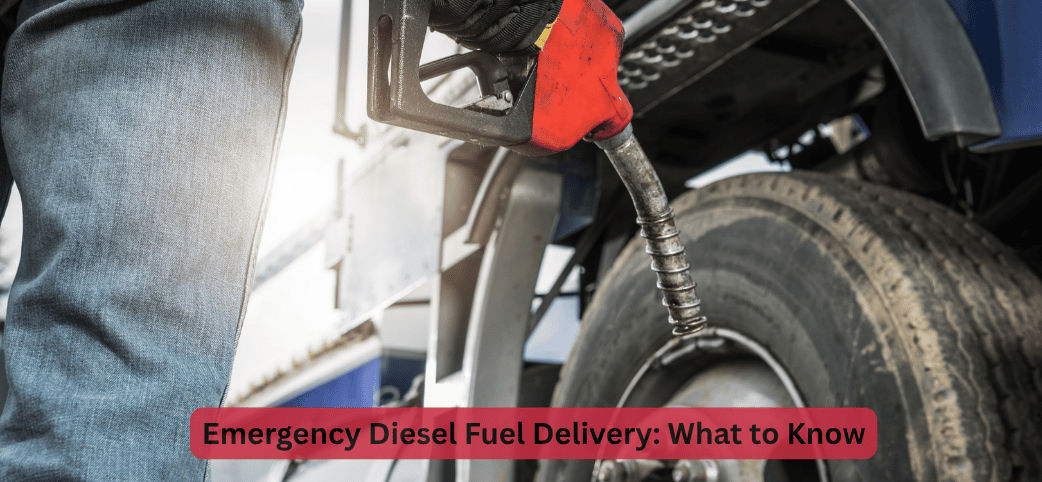
If you need emergency diesel delivery, contact your supplier as soon as you identify a shortage. Have your location, required fuel grade, available tank capacity and site access details ready. Ask for confirmation of availability, the complete price, payment requirements and an estimated arrival time.
At Buy Diesel Direct, we handle urgent fuel requests across Gauteng from businesses, estates, construction sites and fleet operators. Our experience is that the delivery itself is only part of the response. Accurate information, clear access and a prepared receiving team can make a significant difference when fuel reserves are running low.
This guide explains what to do, what to expect and how to reduce the chance of another emergency.
What Usually Causes a Diesel Emergency?
Unexpectedly Long Power Outages
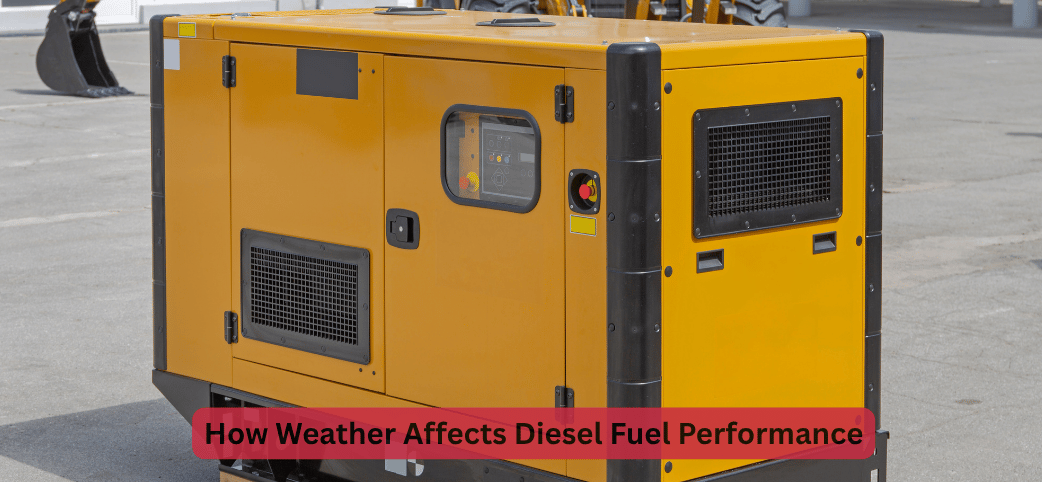
A generator that normally runs for short periods can use its reserve much faster during an extended outage. Transformer failures, storm damage and other local electricity interruptions can leave businesses relying on backup power beyond their planned operating hours.
The problem often starts with a replenishment schedule based on normal usage rather than continuous operation.
Sudden Increases in Fleet or Equipment Usage
A new project, longer working shifts or an unexpected transport workload can increase diesel consumption. Farms and construction sites can also use considerably more fuel during busy operating periods.
If ordering remains unchanged while consumption rises, the storage tank reaches its reorder point earlier than expected.
Faulty Gauges and Missed Checks
We also encounter fuel shortages caused by unreliable level readings. A stuck mechanical float or failed monitoring system can show a comfortable reserve while the usable fuel is nearly exhausted.
Our advice is to check that monitoring equipment works and use an appropriate independent level check where the tank design allows. Do not rely on a gauge simply because it has always displayed a reading.
Read our latest blog post: Affordable diesel fuel supply options for farms in South Africa
What Should You Do When Your Diesel Is Running Low?
Establish How Much Usable Fuel Remains
Check the fuel level using your approved site procedure. If you know the current consumption rate, estimate the remaining runtime.
For example, 150 litres of usable fuel at a consumption rate of 30 litres per hour provides approximately five hours of operation. Consumption can change with load, so this is an estimate rather than a guaranteed operating window.
Tell the supplier whether the equipment is still running, already stopped or approaching a critical shutdown point.
Contact Your Supplier Early
Do not wait until the tank is empty. Earlier contact gives the dispatch team more time to confirm fuel availability, select a suitable vehicle and assess the route.
If the installation supports critical systems, alert your facilities or engineering team at the same time. They may need to manage loads, prepare alternative power or arrange a controlled shutdown.
Confirm the Required Fuel Grade
Check the equipment manufacturer’s fuel specification before ordering. Buy Diesel Direct supplies 50ppm diesel, but some engines require a lower sulphur limit, such as 10ppm or 15ppm.
Do not assume that one diesel grade suits every generator or machine. Share the required specification with the dispatch team.
What Information Does the Delivery Team Need?
A complete request helps avoid arriving with a vehicle or connection arrangement that cannot serve your site.
- Exact location: Provide the physical address and a location pin where useful.
- On-site contact: Give the mobile number of someone who can receive the delivery and access the tank.
- Required fuel grade: State the specification your equipment needs.
- Required volume: Explain how much fuel you want and how much the tank can safely receive.
- Remaining runtime: Share the estimated time before fuel runs out.
- Tank arrangement: Identify whether it is an external storage tank, generator base tank or another receiving system.
- Filling connection: Describe the inlet and any specialised coupling requirements.
- Access restrictions: Mention narrow gates, height limits, steep roads, tight turning areas and security procedures.
- Distance to the filling point: Explain where the vehicle can park relative to the tank.
Photos of the entrance, parking area and filling point can help resolve access questions before dispatch.
How Emergency Diesel Delivery Works at Buy Diesel Direct
Step 1: We Assess Your Request
Our team gathers the location, volume, urgency and access information. We also establish whether the request is for a routine tank top-up or an installation already facing a fuel-related stoppage.
Knowing what is at risk helps us understand the urgency, but it does not remove the need for a safe delivery assessment.
Step 2: We Confirm Availability and a Suitable Vehicle
The dispatch team checks available fuel and delivery capacity, then considers which vehicle can safely reach your filling point.
Buy Diesel Direct advertises deliveries from 200 litres to 20,000 litres. The volume available for a particular emergency, minimum order and vehicle arrangement must be confirmed for that request.
A smaller delivery vehicle may suit restricted access, while a larger load may require a tanker and sufficient manoeuvring space.
Step 3: We Confirm Price, Payment and the Arrival Estimate
Before delivery proceeds, establish the agreed volume, fuel grade, total charges and payment conditions.
Once a vehicle and route are confirmed, we provide an estimated arrival time. Same-day emergency support may be possible, but timing depends on availability, distance, traffic and site conditions.
An arrival estimate is specific to the order. It should not be treated as a universal response-time guarantee.
Step 4: The Driver Checks the Receiving Arrangement
On arrival, the driver checks access, the receiving tank, available capacity and the unloading arrangement with your site representative.
Delivery must follow the applicable safety procedures. If the site presents an unresolved risk, the team may need to change the arrangement or delay discharge until it is safe.
Step 5: Fuel Is Delivered and Recorded
The delivered quantity is measured through the vehicle’s metering system and documented. Your receiving representative should check the delivery record and raise any discrepancy promptly.
Keep the record with your fuel-level and operating-hour logs. These details help plan the next replenishment.
How Much Does Emergency Diesel Delivery Cost?
Emergency delivery can cost more than a scheduled drop because it may require vehicle rerouting, urgent driver deployment or after-hours work.
Ask for the complete price rather than comparing only the diesel rate.
- The price per litre for the agreed grade.
- Whether VAT is included.
- Transport or delivery charges.
- Emergency, weekend or after-hours fees.
- Any applicable waiting or access-related charges.
- The quotation’s validity and when the price is fixed.
Wholesale pricing structures influence diesel quotations, but your actual delivered price depends on the supplier’s offer and delivery arrangements. Confirm the amount payable for your specific order.

Payment Before Discharge
For first-time emergency customers and non-account holders, Buy Diesel Direct’s stated policy is payment before discharge.
Confirm the available payment method when ordering. If payment is to be completed on arrival, ensure the authorised payer is available and can process it without delay.
The ordered volume and receiving capacity should be established before pumping. The delivery meter records fuel transferred; it does not determine how much empty space your tank has.
Prepare Your Site Before the Truck Arrives
We have seen urgent deliveries lose valuable time because a gate was locked or the person with the fuel-cap key could not be reached.
Before arrival:
- Clear parked vehicles, materials and equipment from the agreed route.
- Notify security and complete access approvals.
- Have keys and access codes ready.
- Make sure a responsible receiving person is present.
- Identify the correct tank and filling point.
- Confirm sufficient safe receiving capacity.
- Arrange any required shutdown or engineering support.
- Keep the agreed payment process ready.
Confirm hose reach with the dispatch team. Do not assume that a standard hose length will suit every vehicle or site arrangement.
Can a Generator Be Refuelled While Running?
Do not assume that a running generator can safely be refuelled. The answer depends on the manufacturer’s instructions, tank design, filling arrangement and site procedures.
Integrated Generator Tanks
A filling point near hot engine or exhaust components presents a particular spill and ignition concern. A controlled shutdown and any required cooling period may be necessary.
Agree on the procedure with your generator technician or facilities team before delivery. Avoid improvising because the remaining fuel is low.
Separate External Storage Tanks
Some installations are designed to allow an external tank to be replenished while connected equipment operates. That possibility must be confirmed for the specific system.
An external tank is not automatically safe to fill during operation. Capacity controls, venting, spill prevention, connections and manufacturer-approved procedures still matter.
Bonding and earthing, where required, help manage static electricity risks. They do not eliminate every possible source of ignition or replace the rest of the unloading controls.
A Midrand Emergency: Fuel Needed During a Friday Storm
One emergency delivery from our experience involved a medical research laboratory in Midrand. A local transformer failure during a severe storm left the facility relying on its backup generator.
The generator supported temperature-sensitive storage containing valuable research materials. A faulty fuel-monitoring system had concealed the shortage, and the facility estimated that less than 90 minutes of fuel remained.
The Request and Delivery Challenges
The customer requested 3,500 litres of 50ppm diesel to support continued operation while electricity repairs were arranged.
The call arrived at 16:15 on a Friday. Rush-hour traffic, heavy rain and restricted access to the facility complicated the response.
The recorded timeline was:
- 16:15: The emergency request reached our team.
- 16:25: A suitable vehicle was cleared for dispatch.
- 17:15: The vehicle arrived at the facility gate.
- 17:32: Fuel delivery began following the receiving arrangements.
The time from the first call to the start of delivery was 77 minutes. The facility reported that this prevented a fuel-related interruption to its backup-power supply.
This describes one delivery outcome, not a promised response time. It also does not establish that another generator can be refuelled using the same procedure.
Our main lesson from the incident is that clear intake information, quick site preparation and working fuel monitoring are all essential. Fast dispatch cannot compensate for every access or equipment problem.
What If Your Generator Runs Out Before Delivery?
Notify the delivery team and your generator technician. Follow the equipment’s approved shutdown and isolation procedure, including preventing automatic restart where required.
Avoid repeated starting attempts. Running out of diesel can introduce air into the fuel system, and excessive cranking can add further problems.
Restarting Depends on the Equipment
Some systems have an approved self-priming procedure. Others require additional priming or technical attention before restarting.
Follow the manual for the specific machine. Do not loosen high-pressure fuel connections as an improvised way to bleed the system.
If the procedure is unclear or the engine does not restart correctly, use a qualified generator technician.
Fuel Delivery and Mechanical Support Are Separate
Buy Diesel Direct’s role is fuel supply, delivery and associated fuel-management arrangements. Delivering diesel does not automatically include diagnosing faults, repairing injection equipment or recommissioning a generator.
Keep your generator technician’s details alongside your emergency fuel contacts. Where the equipment has already stopped, arranging both services early can reduce avoidable delays.
How to Set a Practical Diesel Reorder Level
Your reorder point should cover expected consumption during delivery lead time, an additional safety reserve and any unusable fuel below the tank’s safe operating level.
Use Actual Consumption
Use manufacturer data and operating records to estimate consumption at the loads you actually run. A generator’s kVA rating alone is insufficient to establish its fuel use.
Review consumption during extended outages and busy operating periods, rather than relying only on an average quiet week.
Allow for Lead Time and Disruption
As an illustrative example, suppose equipment consumes 30 litres per hour. If you plan for a 12-hour delivery lead time and another 12 hours of safety reserve, you need 720 litres of usable fuel when ordering.
If the installation has 100 litres of confirmed unusable stock, the indicated reorder level would be approximately 820 litres.
Use the tank design and manufacturer’s guidance to establish unusable stock. Do not assume it is always 10% of capacity.
If your required reserve exceeds the tank’s usable capacity, reconsider storage capacity, delivery frequency or alternative supply arrangements with competent support.
A Maintenance Routine That Reduces Emergency Orders
- Check levels regularly: Increase checks during continuous generator operation or unusually heavy equipment use.
- Verify alarms and gauges: Confirm that low-level warnings reach someone responsible for ordering.
- Track usage: Record deliveries, operating hours and consumption trends.
- Follow the maintenance schedule: Exercise and service the generator according to its manufacturer’s instructions and site requirements.
- Monitor stored fuel: Check for water and contamination through approved procedures, particularly in long-storage applications.
- Assign responsibility: Name the person who orders fuel and a backup who can act outside normal hours.
- Review the reserve: Adjust the reorder point when workload, consumption or delivery conditions change.
A maintenance plan should suit the installation. There is no single exercise load, testing interval or reserve volume that applies to every generator.
Contact Buy Diesel Direct for Emergency Diesel Delivery
If your fuel is running low, contact Buy Diesel Direct with your location, required volume, fuel specification and estimated remaining runtime.
Our team will assess delivery availability across Gauteng, confirm suitable arrangements and provide an order-specific arrival estimate.
- Call: 062 551 5386.
- Alternative number: 079 891 8188.
- Email: info@buydieseldirect.co.za.
For an urgent request, call so the team can assess it promptly. Having your site details and receiving arrangements ready helps us move from the first conversation to a workable delivery plan.