
Cleaning a diesel fuel tank involves more than draining old fuel and pouring in fresh diesel. Water, sediment, rust and microbial sludge can remain on the tank floor, walls and internal baffles. Unless you remove that contamination and fix its source, the same problems can return after your next refill.
At Buy Diesel Direct, we often hear from customers after their equipment starts losing power or their fuel filters need replacing far more often than usual. By that stage, a storage problem may already be affecting the machinery that depends on it.
This guide focuses on bulk diesel storage tanks used for farms, construction sites, fleets and generators. Vehicle tanks and small generator tanks require a cleaning method suited to their design and the manufacturer’s instructions.
How Do You Know Your Diesel Tank Needs Cleaning?
Repeated filter blockages are one of the strongest warning signs we see. Replacing a filter may temporarily restore fuel flow, but it does not remove the contamination inside the storage tank.
Signs worth investigating include:
- Frequent filter clogging: Filters collect black slime, gritty sediment or rust particles shortly after replacement.
- Hard starting or loss of power: An engine struggles to start, sputters or loses RPM while working.
- Unusual fuel appearance: A sample contains cloudiness, suspended particles, sludge or a separate water layer.
- Unusual odours: A change in smell can justify further investigation, although smell alone cannot identify microbial contamination.
- Unexpected exhaust smoke: Poor combustion may accompany fuel contamination, but mechanical faults can produce similar symptoms.
These signs do not automatically prove that the tank needs a full clean. Start with sampling and inspection rather than guessing from engine symptoms alone.
Why the Bottom Sample Matters
A sample from the top of a tank can look clear while water and sludge sit underneath it. We pay particular attention to the lowest accessible point because that is where free water and settled contamination often collect.
The problem becomes especially serious when the dispensing system draws contaminated material from near the tank floor and sends it into equipment.
Read our latest blog post: How to Choose Between Diesel Fuel Suppliers
Can You Clean a Diesel Tank Yourself?
Owners can carry out routine external inspections and, where there is a suitable sampling point, basic checks using the correct equipment and training. Opening a bulk tank, transferring large fuel volumes and removing internal contamination require a different level of preparation.
Tank capacity alone does not determine whether a job is safe for DIY work. A small tank can still contain hazardous vapours or require specialist handling.
Never enter a diesel tank yourself. Tank entry is confined-space work that requires a professional assessment, controlled isolation, atmosphere testing, suitable equipment and a rescue plan. Having someone standing outside is not an adequate safety system.
For heavily contaminated bulk tanks, our recommendation is to use a specialist cleaning team and agree on the complete process before work starts.
Step-by-Step: How to Clean a Bulk Diesel Fuel Tank
Step 1: Inspect the Tank and Test the Fuel
Start by establishing what is wrong and how contamination entered the tank.
A technician should inspect accessible tank fittings and take representative samples, including a bottom sample where the design allows. Depending on the findings, laboratory testing may be needed to assess microbial activity, water content or fuel condition.
The inspection should consider:
- Free water and settled sludge.
- Rust, sediment and visible microbial deposits.
- Damaged filler caps, hatch seals and gaskets.
- Blocked, damaged or unsuitable vents and breathers.
- The position of the fuel pickup.
- Recent deliveries, storage time and previous filter failures.
Cleaning without repairing a leaking hatch or damaged breather leaves the original problem in place.
Step 2: Isolate the Tank and Prepare the Work Area
Stop dispensing from the affected tank and arrange an alternative fuel supply if equipment must keep operating.
The cleaning contractor should isolate connected pumps and equipment, control ignition sources, prepare spill containment and confirm where recovered fuel and waste will go.
Fuel transfers require equipment suitable for the task, including appropriate static-control measures. Ordinary household pumps, vacuum cleaners and fans are unsuitable for this work.
Step 3: Separate Potentially Recoverable Fuel From Waste
The upper fuel layer may be recoverable, but clear-looking diesel is not automatically fit for reuse.
Potentially recoverable fuel should be transferred into a clean, compatible holding tank for assessment and treatment. Bottom water, sludge and heavily contaminated material should be collected separately.
Keeping these streams separate helps avoid contaminating fuel that might otherwise be saved. It also allows the contractor to plan waste handling properly.
Do not discharge diesel, sludge or wash liquid into drains, soil or stormwater systems. Agree on an appropriate waste collection and disposal route before cleaning begins.
Step 4: Remove Sludge and Deposits
Once the fuel has been removed, the cleaning team tackles the deposits left on the tank floor, walls and baffles.
Depending on access and tank design, this may involve specialist extraction equipment, remote cleaning tools or mechanical removal. The aim is to remove accumulated solids and attached deposits, rather than simply move them around.
Where internal access is necessary, only a properly equipped confined-space team should undertake it.
Step 5: Use a Cleaning and Treatment Method Suited to the Tank
The contractor should select a cleaning method compatible with the tank material, coatings, seals and intended fuel service. There is no single wash chemical or flushing method suitable for every tank.
If microbial contamination is confirmed, an appropriate diesel-compatible biocide may form part of the treatment plan. Its dose, contact time and application method must follow the product instructions.
Our advice is simple: do not treat a bottle of biocide as a replacement for removing heavy sludge. Killing microbes does not remove their remains, and that material can continue blocking filters.
The sequence of cleaning, treatment and filtration should follow the specialist’s plan and the selected product’s requirements.
Step 6: Remove Residual Liquid and Inspect the Tank
Before refilling, the tank must be free of remaining cleaning liquid, loose debris and unacceptable moisture.
If water-based cleaning is used, thorough drying is essential. The contractor should use a controlled method appropriate to the tank and work environment.
A final inspection should check for remaining sludge, corrosion, damaged coatings and inaccessible pockets where liquid could collect. Any structural concerns need resolving before the tank returns to service.
Step 7: Assess and Polish Recoverable Fuel
Fuel polishing uses filtration and water separation to remove contaminants from stored diesel. It can help recover suitable fuel, but it does not repair every form of fuel degradation or remove every dissolved contaminant.
The filtration specification should match the contamination and the requirements of the equipment that will use the fuel. A particular micron rating alone does not prove that diesel is ready for reuse.
Post-treatment checks should establish whether recovered fuel is suitable to return to the tank. Adding fresh diesel does not make an unsuitable batch acceptable.
Step 8: Refill, Recommission and Monitor
Return approved recovered fuel or fresh diesel to the clean tank, then check the connected dispensing system before restarting normal operation.
Recommissioning may include:
- Replacing contaminated dispenser filters.
- Checking hoses, strainers and connected pipework.
- Repairing seals, caps and breathers.
- Recording the cleaning date and inspection findings.
- Taking a reference sample after refilling.
- Monitoring filters and equipment closely during the first operating period.
If contaminated fuel has already reached a vehicle or machine, its fuel system may also need attention. Cleaning the storage tank does not repair damaged injectors or remove contamination already inside connected equipment.
A Farming Case Study: A Damaged Breather Stopped the Harvest
One case from our work at Buy Diesel Direct involved a commercial farm whose two main combine harvesters lost power during peak harvest.
The farm manager replaced the fuel filters, but the replacements clogged after approximately two hours. Both machines were out of action, putting the harvesting schedule under pressure.
What the Inspection Found
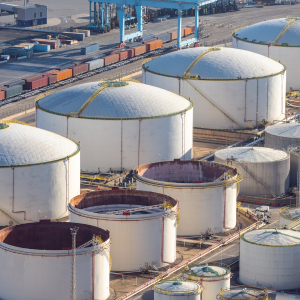
The farm used a 10,000-litre above-ground diesel tank. Its breather cap had cracked, leaving a route for moisture to enter.
The inspection found more than 100 litres of free water and a substantial layer of black sludge at the bottom. The dispensing arrangement was drawing contaminated material into the farm’s machinery.
This was no longer a problem that another filter change could solve.
How the Problem Was Resolved
The response involved separating approximately 7,000 litres of potentially recoverable diesel from the heavily contaminated remainder, removing sludge and water, cleaning the tank, treating the microbial contamination and polishing the recovered fuel.
Specialist work was coordinated as part of the response. The recovered diesel was filtered to a specified two-micron level during that project, but that specification should not be treated as a universal requirement for every tank.
The farm’s machinery experienced approximately 36 hours of downtime. Reported cleaning and recovery costs were around R35,000, with approximately R12,000 in additional equipment-related and labour costs.
Those figures describe this particular emergency. They are not a standard tank-cleaning quotation.
The lasting lesson was that a damaged component costing roughly R450 contributed to a problem costing about R47,000. The farm introduced regular water checks and closer inspection of tank fittings afterwards.
Common Diesel Tank Cleaning Mistakes
Adding Biocide and Assuming the Tank Is Clean
Biocide can control microbial contamination, but it does not physically remove accumulated solids. Heavy contamination needs a plan for sludge removal and filtration as well as treatment.
Leaving Water Behind After Washing
Residual water can encourage corrosion and renewed microbial growth. A tank that looks clean still needs a proper drying and inspection process before refilling.
Adding Petrol or Methylated Spirits
Do not use petrol or methylated spirits as improvised diesel-cleaning or water-removal treatments. Unapproved mixtures can change fuel properties and create risks for storage and engine operation.
Remove free water using an appropriate draining or separation method. Select any additive according to the fuel, equipment manufacturer’s requirements and product instructions.
Ignoring the Cause of Contamination
A clean tank with a leaking filler cap will become contaminated again. Check the hardware as carefully as the fuel.
A suitable desiccant breather may help control incoming moisture and dust, but it must be correctly selected for the tank’s ventilation requirements.
How Often Should You Check and Clean Your Diesel Tank?
We recommend a maintenance routine based on storage conditions, fuel turnover and the consequences of equipment failure. A hospital generator tank and a busy farm tank may need different inspection schedules.
- Monthly: Check for free water through a suitable sampling or testing point. Record findings and investigate recurring water.
- During routine site inspections: Check caps, seals, vents and visible leaks, especially after heavy rain or maintenance work.
- At planned service intervals: Inspect dispensing filters and replace them according to condition and manufacturer guidance.
- Periodically: Sample stored fuel, with closer monitoring for long-stored diesel and critical backup systems.
- After contamination or repeated blockages: Investigate promptly rather than waiting for the next scheduled inspection.
Biocide dosing and fuel polishing should follow a considered maintenance plan. Quarterly dosing or annual polishing may suit some installations, but neither should be presented as an automatic requirement for every tank.
Do You Need Testing, Water Removal or Full Cleaning?
The right response depends on what inspection and sampling reveal.
- Testing and monitoring: Appropriate when there are no significant deposits or operating problems, but you need to establish fuel condition.
- Water removal and investigation: Appropriate when free water is present without evidence of extensive deposits. Check why the water entered and whether further testing is needed.
- Full cleaning: Appropriate when substantial sludge, attached deposits, rust or repeated contamination-related filter failures are present.
Water removal alone may not resolve an established microbial problem. Equally, finding a small amount of water does not automatically mean the entire tank needs mechanical cleaning.
How Buy Diesel Direct Can Help
At Buy Diesel Direct, we supply 50ppm diesel and help customers plan dependable fuel deliveries. We also assist with fuel-management arrangements and identifying storage concerns that need specialist attention.
Where a contaminated bulk tank requires intervention, we can discuss fuel-transfer arrangements and coordinate specialist support for tank cleaning, fuel polishing and waste handling, subject to the site and project requirements.
Confined-space cleaning and technical decontamination are handled through specialist partners. We believe customers should understand who is carrying out each part of the work and what the proposed service includes.
If your filters keep blocking, your stored diesel contains water or sludge, or several machines develop fuel problems after using the same tank, contact Buy Diesel Direct. Share your tank capacity, location, symptoms and recent maintenance history so we can help establish the next practical step.