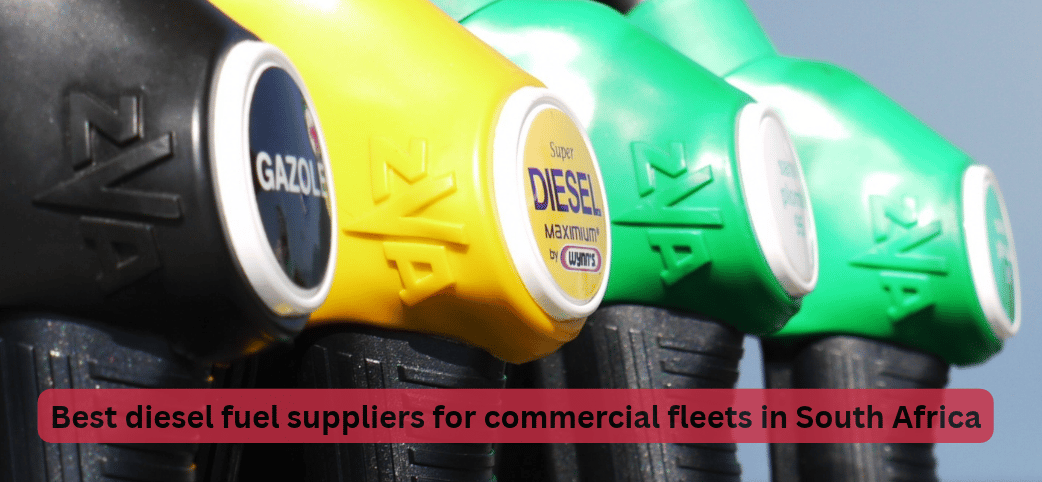
The best diesel fuel supplier for your commercial fleet is one that delivers the correct fuel, in the agreed quantity, when your operation needs it. Competitive pricing matters, but so do traceable sourcing, clear delivery terms and dependable support when something goes wrong.
For South African fleet managers, choosing a supplier means looking beyond the discount per litre. A missed delivery can disrupt an entire dispatch schedule. A fuel-quality problem can leave vehicles in the workshop instead of earning revenue.
Our advice is simple: compare suppliers on the total cost of keeping your fleet moving. This guide explains what to check, which warning signs deserve attention and where Buy Diesel Direct fits into your shortlist.
What Makes a Diesel Supplier the Best Fit for Your Fleet?
There is no single supplier that suits every commercial fleet in South Africa. A regional operator refuelling ten trucks at one depot has different needs from a national logistics business running multiple sites.
Before requesting quotes, give each prospective supplier the same information:
- Your depot locations and delivery access requirements.
- Your average daily and monthly diesel consumption.
- Your usable storage capacity and normal order size.
- The fuel specifications required by your vehicles.
- Your preferred delivery windows and dispatch schedule.
- Your emergency supply requirements.
- Your payment and procurement requirements.
This makes it easier to compare realistic offers. A low price has limited value if it depends on an order quantity your tanks cannot accommodate.
Read our latest blog: How to Clean a Diesel Fuel Tank
Check Fuel Specifications and Traceable Sourcing
Match the Fuel to Your Vehicles
Ask suppliers to confirm the diesel grade and applicable specification in writing, including evidence of SANS 342 compliance where relevant. Fuel quality involves more than sulphur content. Properties such as lubricity, cleanliness and water content also matter.
Do not assume that 50ppm diesel is suitable for every modern truck. Some engines and exhaust aftertreatment systems require lower sulphur levels. Check the manufacturer’s requirements for each vehicle type before agreeing to a supply contract.
A supplier should help you establish exactly what is being supplied. Avoid relying on broad descriptions such as “premium diesel” without supporting product information.
Ask Where the Diesel Comes From
Request a clear explanation of the supply chain, including the source terminal or refinery and any intermediate storage arrangements.
A broker or distributor is not automatically unsuitable. What matters is whether the business can account for the fuel’s origin, handling and delivery. Unexplained changes in sourcing deserve further questions.
Ask which quality documents are available and how they relate to your delivery. A Certificate of Analysis can provide useful evidence about the tested product, but it does not independently prove that fuel remained uncontaminated throughout transport and storage.
Agree on Sampling Before the First Delivery
Set out a safe sampling procedure before placing a substantial order. Agree who takes the sample, where it is taken, how it is labelled and sealed, and who retains it.
A visual inspection may reveal obvious water or sediment. It cannot confirm sulphur content, lubricity or the absence of adulteration. Suspected contamination may require appropriate independent laboratory testing.
Sampling should be performed by trained personnel using an agreed procedure. Your receiving team should never improvise around tanker equipment.
Assess Delivery Reliability Before You Sign
Ask for Site-Specific Delivery Commitments
A supplier advertising national coverage may still have different lead times for different locations. Ask what they can reliably deliver to your depot, rather than relying on a general promise.
Confirm:
- Normal order lead times and booking cut-offs.
- Available delivery days and receiving windows.
- Weekend and after-hours arrangements.
- Vehicle access, hose reach and offloading requirements.
- How delays are communicated.
- What happens if the supplier cannot fulfil an order.
Request references from customers with similar delivery volumes and operating conditions. Experience supplying a nearby fleet depot is particularly useful when evaluating a supplier’s practical fit.
Distinguish Emergency Availability From Guaranteed Arrival
A 24/7 contact number does not necessarily mean a tanker can reach every depot immediately. Emergency availability may depend on stock, distance, vehicle capacity and existing commitments.
Ask what emergency support means for your location and whether any response time forms part of your written agreement.
Your fleet should also maintain a sensible reorder point. Base it on daily consumption, replenishment lead time and a reserve for unexpected demand or delays. The right threshold depends on your operation.
Compare the Total Cost of Diesel Supply
Start With the Delivered Cost Per Litre
For a straightforward comparison, add the fuel charge and applicable delivery or order fees, then divide by the litres supplied. Compare every quote on the same VAT basis.
For example, consider two hypothetical quotes for 10,000 litres:
- Supplier A offers a rate that is R0.20 per litre lower, creating an apparent saving of R2,000.
- Supplier A also charges a R2,500 delivery fee.
- Supplier B includes delivery in its quoted rate.
- Assuming everything else is equal, Supplier A costs R500 more overall.
This example shows why the headline rate should never be your only comparison.
Check Charges and Price Conditions
Ask each supplier to explain any charges for:
- Orders below the agreed minimum quantity.
- Split deliveries or additional stops.
- Emergency or after-hours service.
- Waiting time at your depot.
- Failed deliveries or insufficient tank capacity.
- Credit facilities or late payment.
Confirm how long the quote remains valid and which event fixes the price: quotation, payment, loading or delivery. If your order crosses a fuel-price adjustment date, get the applicable rate confirmed in writing.

Understand How Delivered Volume Is Measured
Ask how the supplier measures and records delivered litres, whether temperature compensation applies, and how the invoiced quantity is established.
Diesel changes volume with temperature. That does not mean it has evaporated or been stolen. Consistent measurement methods and clear contract terms help distinguish normal variation from a discrepancy that needs investigation.
Agree how your team will reconcile the delivery record, tank readings and invoice, including the process for reporting a difference.
Account for Operational Disruption Separately
Delivered cost is only part of the purchasing decision. Track the consequences of unreliable supply, such as emergency fuel purchases, collection trips, driver waiting time and missed dispatches.
These costs are specific to your fleet. Use your own operating records rather than adding an arbitrary downtime allowance to every litre.
Warning Signs When Choosing a Wholesale Diesel Supplier
An Unusually Low Price Without a Clear Explanation
A competitive price can reflect efficient logistics, favourable payment terms or a large order. It is not proof of poor-quality fuel.
However, a substantial discount combined with vague sourcing, missing documentation or pressure for immediate payment deserves scrutiny. Ask the supplier to explain the offer and verify the business before proceeding.
Missing or Unverifiable Business Documents
Check the applicable petroleum wholesale licence and verify that the business details match the company quoting and invoicing you. South Africa has a licensing framework for petroleum wholesaling, so this should form part of your supplier checks.
Where your procurement process requires it, request current B-BBEE documentation separately. A B-BBEE certificate supports procurement assessment; it does not replace fuel-quality evidence or licensing checks.
Resistance to Reasonable Quality Controls
A supplier should be willing to discuss traceability, safe sampling and a documented complaints process. Refusal to provide basic information is a reason to pause.
Confirm how suspected contamination will be investigated, how evidence will be preserved and which insurance arrangements apply. Resolve these questions before a disputed delivery occurs.
A Hypothetical Fleet Example: When Cheap Diesel Becomes Expensive
Consider an illustrative logistics fleet operating 45 trucks between Johannesburg and Durban. This is a hypothetical example, not a documented Buy Diesel Direct customer case.
The fleet selects a supplier offering a substantial discount. Deliveries later become inconsistent, and several vehicles develop fuel-system problems.
At that point, the fleet has two separate issues to investigate: supply reliability and the cause of the mechanical failures. Workshop reports, fuel samples and independent testing would be needed before attributing damage to the supplier.
If testing confirms contamination, the response may include isolating the affected fuel, using qualified specialists to assess the tanks and dispensing equipment, and establishing a verified replacement supply.
The lesson is practical: measure purchasing success through total operating cost, reliable dispatches and documented fuel quality. A discount alone cannot show whether a supplier is delivering value.
Why Consider Buy Diesel Direct for Commercial Fleet Supply?
Buy Diesel Direct is based in Centurion and markets diesel supply and delivery services to commercial customers, including transport and logistics businesses.
Its website highlights:
- 50ppm diesel supply.
- Bulk and mobile diesel delivery.
- Scheduled deliveries and emergency assistance.
- 24/7 service availability.
- A Gauteng service focus alongside wider South African supply offerings.
- Level 2 B-BBEE contributor status.
These services make Buy Diesel Direct an option to assess when sourcing fuel for a fleet depot. Confirm the available grade, delivery capacity, lead time and supporting documents against your fleet’s requirements.
Discuss your actual order size directly with the team. Website enquiry ranges should not be interpreted as a guaranteed single-load capacity or a delivery commitment for every location.
If preferential procurement is important to your business, request current B-BBEE documentation for your procurement adviser to assess. The effect on your own score depends on the applicable rules and your circumstances.
Questions to Ask Before Appointing Your Fleet Fuel Supplier
- Can you provide your applicable wholesale licence and business details?
- Which fuel grade will you supply, and does it meet our vehicle manufacturers’ requirements?
- Where is the fuel sourced, and which quality documents are available?
- What is the full delivered price, including fees and VAT treatment?
- What minimum quantity and delivery lead time apply to our depot?
- How are delivered litres measured and recorded?
- What safe sampling and dispute procedures can we agree on?
- What happens if a delivery is delayed or cannot be completed?
- Which insurance arrangements cover delivery incidents?
- Can you provide references from comparable fleet customers?
Choose a Supplier Your Fleet Can Depend On
Before committing to a long-term agreement, complete your supplier checks and consider a trial delivery. Assess communication, punctuality, documentation, site procedures and invoice accuracy.
For a fleet fuel quote from Buy Diesel Direct, provide your depot location, required grade, monthly consumption, storage capacity and preferred delivery schedule. This gives the team the information needed to propose supply terms that fit your operation.